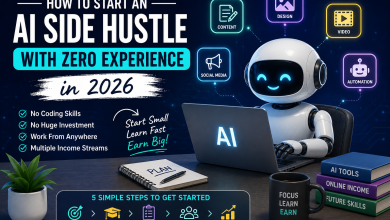
AI is everywhere right now, and honestly, it’s making it easier than ever for regular people to make money online. You no longer need a fancy office setup, expensive equipment, or years of experience to start a side hustle. If you have a phone, internet connection, and consistency, you can start building income from home.
A lot of people think AI is replacing jobs, but many smart entrepreneurs are actually using AI to create new opportunities and multiple streams of income. The best part is you can do most of this directly from your phone.
Here are some of the best AI side hustles you can start in 2026.
1. Start an AI Content Creation Side Hustle
Businesses and creators constantly need content for TikTok, Instagram, Pinterest, blogs, and email marketing. AI tools can help speed up the process and make content creation easier for beginners.
You can use AI to help:
- write captions
- create blog posts
- come up with video ideas
- write product descriptions
- create email content
Many small business owners are willing to pay for help managing their content because they simply do not have the time to do it themselves.
Even if you are new to digital marketing, AI can help you learn while you earn.
2. Sell Digital Products Online
Digital products are one of the easiest ways to make passive income online. These are products people can download instantly after purchasing.
Some popular digital products include:
- ebooks
- planners
- journals
- templates
- guides
- checklists
AI tools can help you create ideas, outlines, graphics, and marketing content much faster than doing everything manually.
Platforms like Stan Store, Etsy, and Canva make it simple to start selling online.
The more products you create, the more opportunities you have to earn passive income over time.
3. Create a Faceless Social Media Brand
Faceless content is growing fast because many people want to make money online without showing their face.
With AI, you can create:
- motivational videos
- money tips
- business content
- lifestyle pages
- educational content
- quote pages
AI tools can help generate scripts, captions, voiceovers, and even video ideas.
This type of side hustle works especially well on TikTok, Pinterest, YouTube Shorts, and Instagram Reels.
The key is consistency. The more content you post, the more chances you have to grow your audience and monetize your page.
4. Offer AI Graphic Design Services
You do not need to be a professional graphic designer anymore to create beautiful content. AI design apps make it much easier to create:
- logos
- flyers
- Pinterest pins
- ebook covers
- social media posts
- business graphics
Many small businesses are looking for affordable design help, especially startup brands and online entrepreneurs.
If you enjoy being creative, this can become a profitable side hustle directly from your phone.
5. AI Affiliate Marketing
Affiliate marketing is when you promote products and earn a commission when someone buys through your link.
AI can help you:
- write product reviews
- create social media captions
- build blog content
- create Pinterest descriptions
- write email promotions
You do not need to create your own product to make money with affiliate marketing.
Many beginners start by promoting products related to:
- digital marketing
- beauty
- finance
- business tools
- pet care
- online education
The more helpful your content is, the more trust you build with your audience.
6. Become a Virtual Assistant Using AI Tools
Virtual assistants help business owners stay organized. Tasks can include:
- answering emails
- scheduling posts
- customer service
- managing calendars
- organizing information
AI tools help virtual assistants work faster and more efficiently.
This is one of the best beginner-friendly side hustles because many companies are hiring remote help right now.
You can even start small and grow into offering premium services later.
7. Start an AI-Powered Blog
Blogging is still one of the best ways to build long-term online income. AI can help you brainstorm topics, organize articles, and improve your writing process.
Popular blog niches in 2026 include:
- digital marketing
- personal finance
- remote work
- pet care
- self-improvement
- side hustles
Once your blog grows, you can make money through:
- ads
- affiliate links
- digital products
- sponsorships
Starting a blog today can turn into a long-term business if you stay consistent.
Final Thoughts
AI is not just for tech experts anymore. Every day, people are using AI tools to create businesses, grow online brands, and earn extra income from home.
The biggest mistake people make is waiting too long to start.
You do not need everything to be perfect. Pick one side hustle, learn as you go, and stay consistent. Small steps every day can eventually turn into real income opportunities.
In 2026, your phone can become more than just entertainment — it can become a tool that helps change your financial future.