How Smart Glasses Are Changing Daily Life in 2026 | The Future of Wearable Tech
Technology is becoming more personal, portable, and intelligent than ever before. In 2026, smart glasses are emerging as one of the biggest innovations in wearable technology, changing how people work, communicate, shop, travel, and experience the digital world.
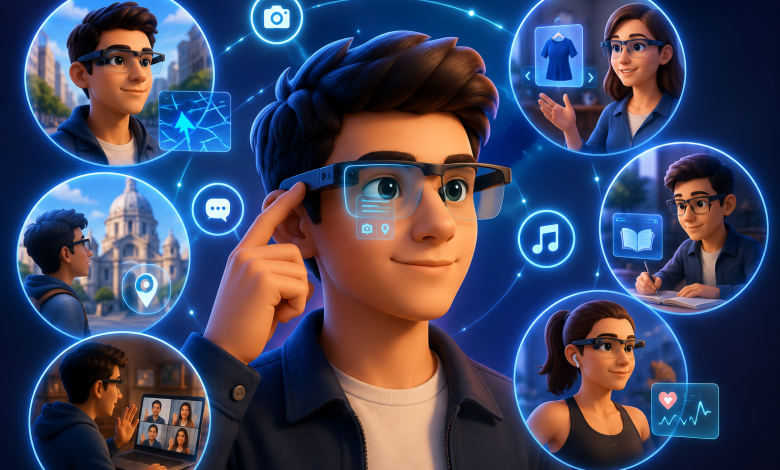
What once seemed like science fiction is now becoming reality. Modern smart glasses can display notifications, translate languages in real time, provide navigation directions, record videos, and even integrate artificial intelligence directly into everyday life.
As major tech companies continue investing billions into wearable devices, experts believe smart glasses could eventually replace smartphones for many daily tasks.
In this article, we’ll explore how smart glasses work, their biggest features, industries adopting the technology, and why wearable tech is expected to grow rapidly in 2026.
What Are Smart Glasses?
Smart glasses are wearable devices that combine traditional eyewear with advanced digital technology.
Unlike normal glasses, smart glasses can include:
- Augmented reality (AR)
- AI-powered assistants
- Cameras
- Microphones
- Voice controls
- Internet connectivity
- Navigation systems
- Fitness tracking
Some models even project digital information directly onto the lenses, allowing users to interact with virtual content while still seeing the real world.
Why Smart Glasses Are Becoming Popular
Several major trends are driving the popularity of smart glasses in 2026.
Hands-Free Technology
People want easier ways to access information without constantly checking smartphones.
Smart glasses allow users to:
- Read notifications
- Take calls
- Access directions
- Use AI assistants
—all hands-free.
AI Integration
Artificial intelligence is making wearable devices far more useful.
AI-powered smart glasses can now:
- Translate conversations instantly
- Identify objects
- Answer questions
- Summarize information
- Provide productivity assistance
This makes wearable technology smarter and more practical for everyday life.
Better Connectivity
Faster internet speeds and improved wireless technology allow smart glasses to function more smoothly than earlier versions.
Modern devices now support:
- Cloud synchronization
- Real-time updates
- Live communication
- Advanced AR experiences
Major Features of Smart Glasses in 2026
1. Augmented Reality (AR)
AR overlays digital content onto the real world.
For example, users can:
- See navigation arrows while walking
- View restaurant reviews instantly
- Access real-time sports statistics
- Visualize furniture before buying
AR technology is one of the biggest reasons smart glasses are gaining attention worldwide.
2. Real-Time Translation
Travelers and international workers can now communicate more easily using AI-powered translation systems.
Some smart glasses display live subtitles during conversations, helping users instantly understand multiple languages.
3. AI Personal Assistants
Smart glasses increasingly include built-in AI assistants capable of:
- Managing schedules
- Answering questions
- Sending messages
- Setting reminders
- Searching the internet
This creates a more natural digital experience without constantly needing phones.
4. Health and Fitness Tracking
Some wearable devices now track:
- Heart rate
- Physical activity
- Sleep patterns
- Eye strain
- Posture
This makes smart glasses useful for health-conscious users.
Industries Using Smart Glasses
Healthcare
Doctors and surgeons use smart glasses for:
- Patient data access
- Medical imaging
- Remote consultations
- Surgical assistance
Healthcare technology is becoming one of the fastest-growing wearable tech sectors.
Education
Students and teachers use AR learning tools to create interactive educational experiences.
Smart glasses can improve visual learning and virtual classroom engagement.
Retail and Shopping
Retail companies use wearable technology to improve customer experiences through:
- Virtual product previews
- Smart recommendations
- Interactive shopping experiences
Logistics and Warehousing
Warehouse workers use smart glasses to improve efficiency by viewing inventory data and navigation instructions hands-free.
Biggest Smart Glasses Companies in 2026
Several technology companies are competing heavily in the wearable tech market, including:
- Apple
- Meta
- Samsung
- Xreal
These companies continue developing more advanced and stylish wearable devices.
Benefits of Smart Glasses
Increased Productivity
Users can access information instantly without stopping their work.
Better Accessibility
Smart glasses can help people with hearing or vision challenges through live assistance features.
Improved Navigation
AR navigation makes travel easier and safer.
Enhanced Communication
Real-time translation and AI assistance improve global communication.
Challenges Facing Smart Glasses
Despite rapid growth, smart glasses still face several challenges.
Privacy Concerns
Built-in cameras and microphones raise concerns about surveillance and personal privacy.
Battery Life
Many wearable devices still struggle with limited battery performance.
Cost
Advanced smart glasses remain expensive for many consumers.
Social Acceptance
Some users still feel uncomfortable wearing highly visible tech devices in public.
Could Smart Glasses Replace Smartphones?
Many experts believe smart glasses may eventually reduce smartphone usage, but a complete replacement is unlikely in the near future.
Instead, wearable devices may work alongside smartphones to create more connected digital ecosystems.
Over time, improvements in:
- AI
- AR technology
- Battery performance
- Design
- Connectivity
could make smart glasses a major part of everyday computing.
The Future of Wearable Technology
The wearable tech industry is expected to grow rapidly throughout 2026 and beyond.
Future developments may include:
- Fully immersive AR experiences
- AI-powered visual assistants
- Smart contact lenses
- Advanced biometric tracking
- Real-time environmental analysis
- Seamless digital communication
Technology companies are racing to create smaller, smarter, and more stylish wearable devices for the next generation.
Final Thoughts
Smart glasses are no longer just futuristic gadgets — they are becoming practical tools that improve productivity, communication, navigation, healthcare, and entertainment.
As AI and augmented reality continue evolving, wearable technology is expected to play a major role in daily life throughout 2026 and beyond.
While challenges around privacy, battery life, and affordability still exist, smart glasses represent one of the most exciting technology trends shaping the future of human interaction with digital systems.
The future of wearable tech is only beginning.